Rich color, soft blending, and time to change your mind. Portraits and landscapes painted slowly, layer by layer, the way the old masters did. Come paint along with me.
Oil paint dries slowly, sometimes over days. That gives you time to blend, soften an edge, or wipe away a mistake and try again. It rewards patience, and it’s been loved by painters for six hundred years.
Time to blend
Soft skies and gentle skin tones, mixed right on the canvas.
Deep, rich color
Jewel-like glazes and thick, buttery strokes.
Built in layers
Start thin and loose, then build toward the details.
On the studio wall
Six centuries of oil
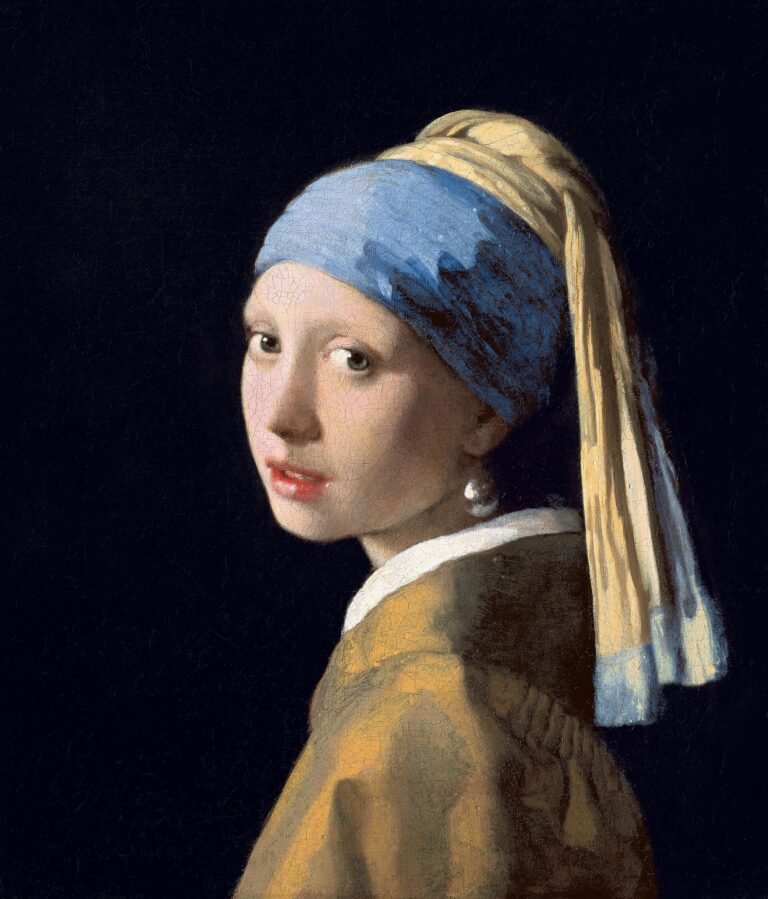
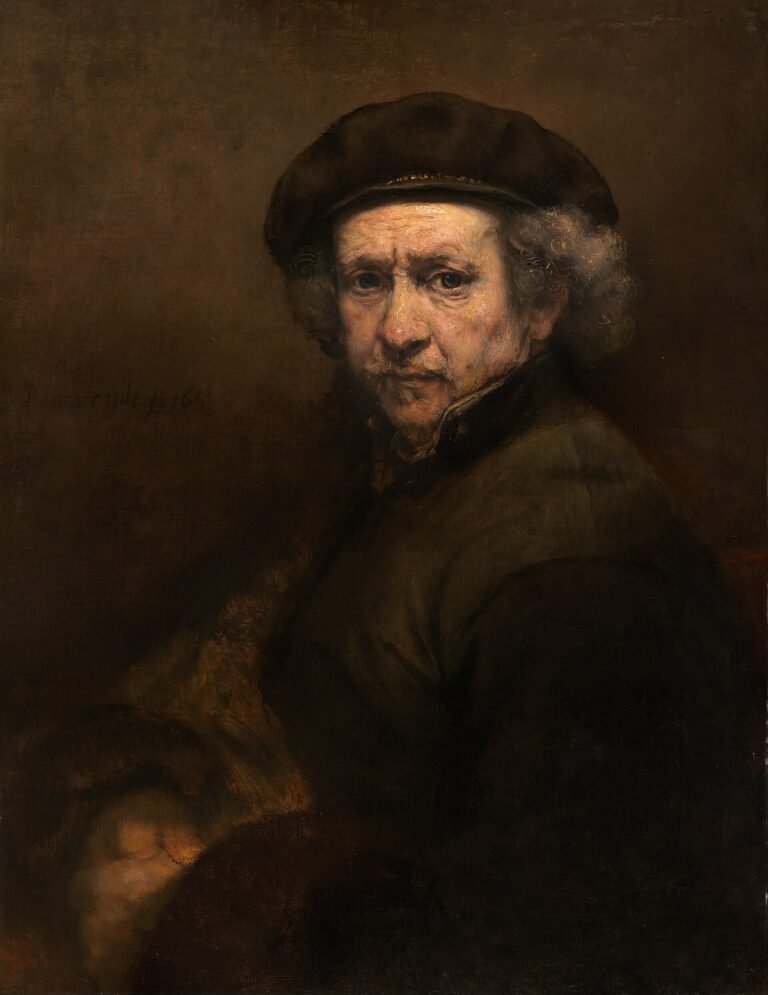
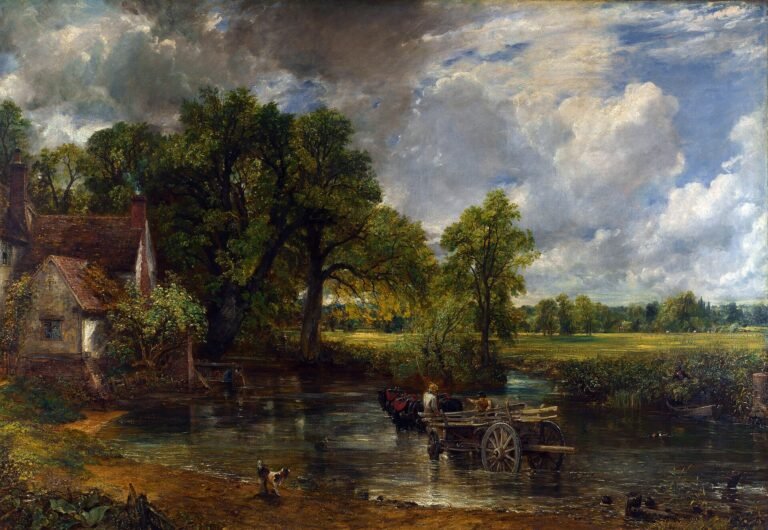
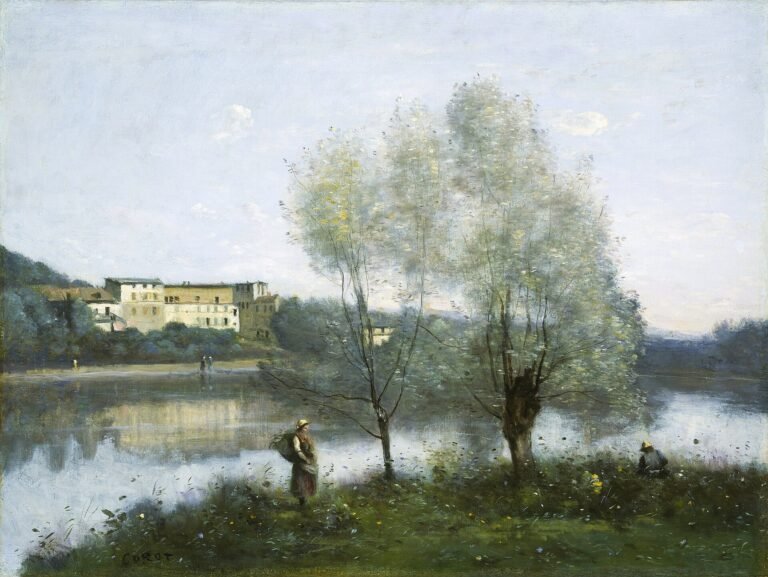
In the 1400s, Flemish painters such as Jan van Eyck perfected painting with pigment ground in oil, and the method spread across Europe. Rembrandt and Vermeer used it to paint light itself. Later, Constable and Corot carried their paints outdoors, and Monet and Van Gogh turned color loose. Every one of them began, like us, with a brush and a blank surface.
Masters of oil
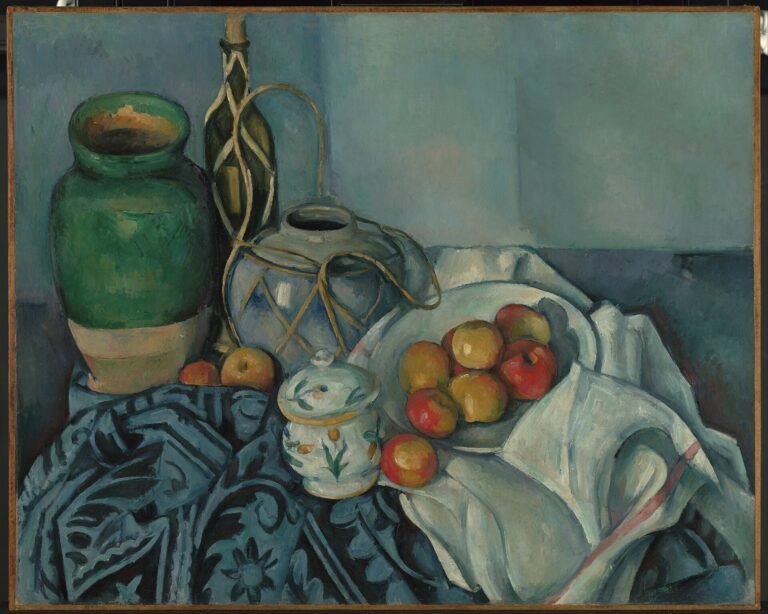
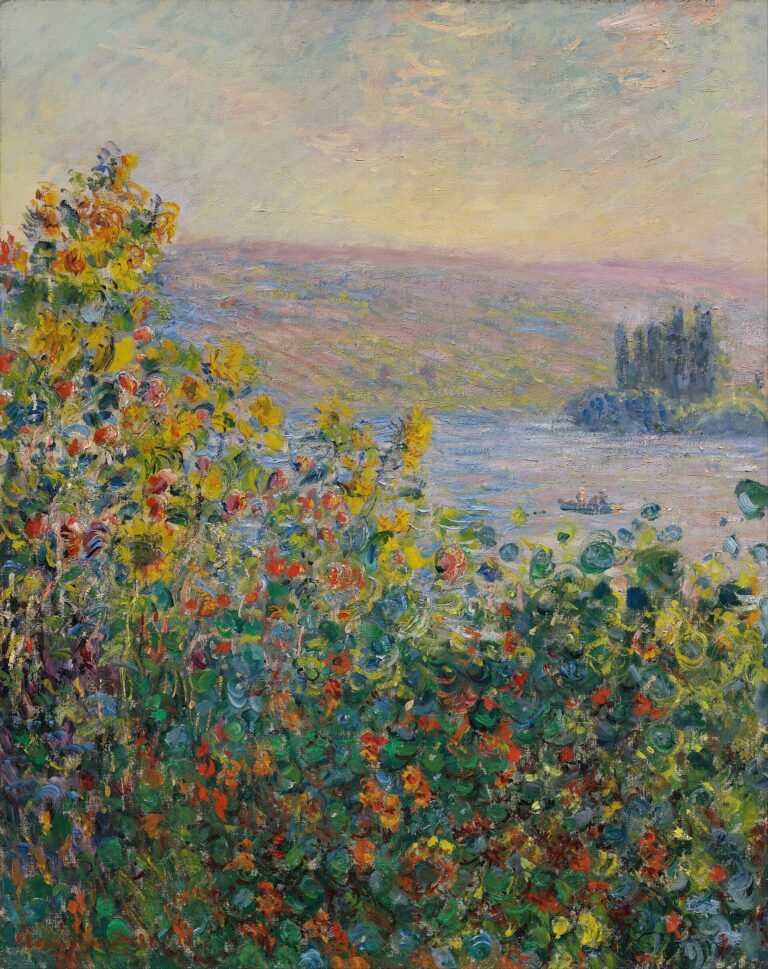
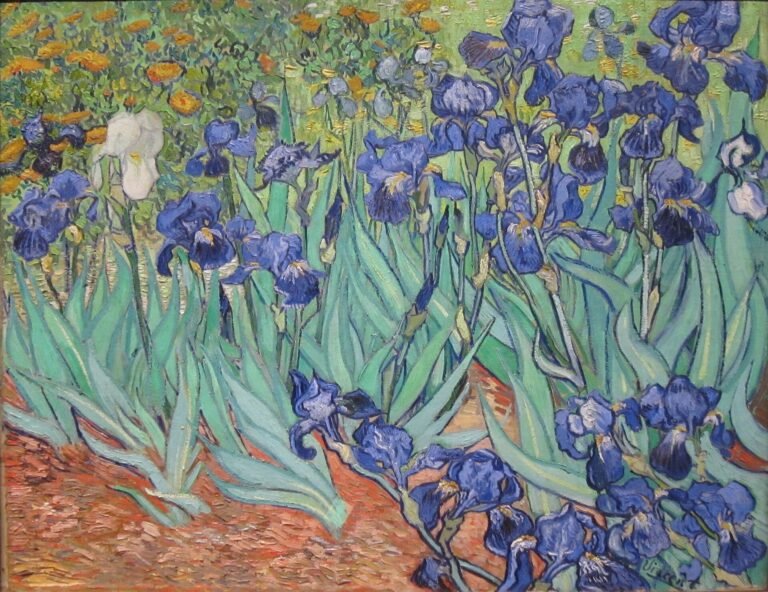
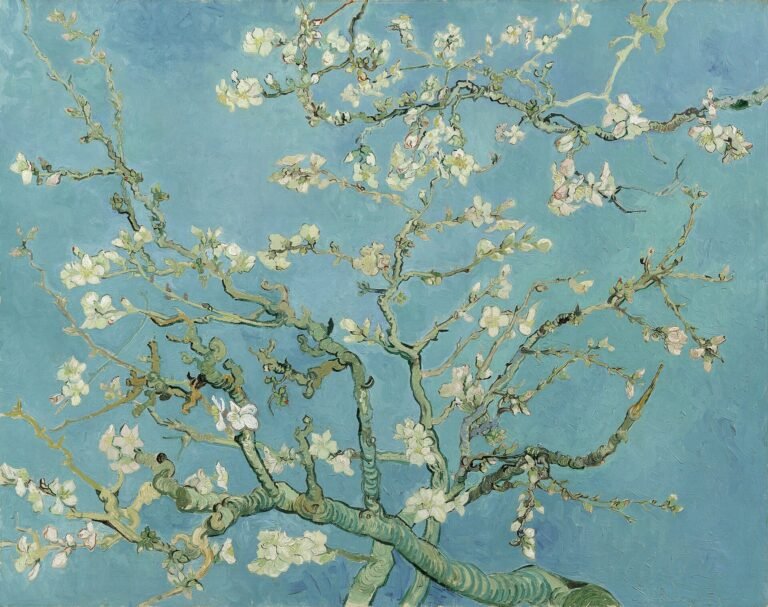
Girl with a Pearl EarringJohannes Vermeer · about 1665Self-PortraitRembrandt van Rijn · 1659The Hay WainJohn Constable · 1821Ville-d’AvrayCamille Corot · 1860sStill Life with ApplesPaul Cézanne · 1890sFlower Beds at VétheuilClaude Monet · 1881IrisesVincent van Gogh · 1889Almond BlossomVincent van Gogh · 1890
All works shown are in the public domain, via Wikimedia Commons.
Beginner friendly
What you need to begin
Start small. You can always add more later, and simple supplies are plenty for learning.
A small palette
Titanium white plus a warm and a cool yellow, red, and blue. You can mix almost anything from these.
A few brushes
Two or three flats and filberts in small, medium, and large, plus a palette knife.
Something to paint on
Canvas panels or primed boards are inexpensive and perfect for practice.
Gentle cleanup
Water-mixable oils, or odorless mineral spirits, a jar with a lid, and soft rags.
Good to know
Fat over lean
Each layer should have a little more oil than the one beneath it, so the painting dries evenly and doesn't crack.
Think in values
Light, middle, and dark matter more than color. Squint to see them.
Paint big shapes first
Block in the large masses, then save the details for last.
Paint safely
Open a window and keep the air moving while you paint.
Never pour solvent down the drain. Let it settle in a closed jar, then reuse the clear part.
Oily rags can catch fire on their own as they dry. Lay them flat outdoors to dry, or keep them in a sealed metal can with water.
Keep paints and solvents away from children and pets, and wash your hands when you finish.
Try it today
Your first oil painting
Paint a single apple. Use only three values: light, middle, and dark. Block in the dark shape first, add the middle tone, and finish with one bright highlight. Thirty minutes, no pressure, just paint.
Fresh from the Oil Painting blog
Lessons, paintings in progress, and the artists I’m learning from. More to come.