Healthy Eating
Eat the way a hobbit who tends a garden would: fresh, simple, and close to the land. Real food, grown with care, shared at a full table.
The Shire's secret
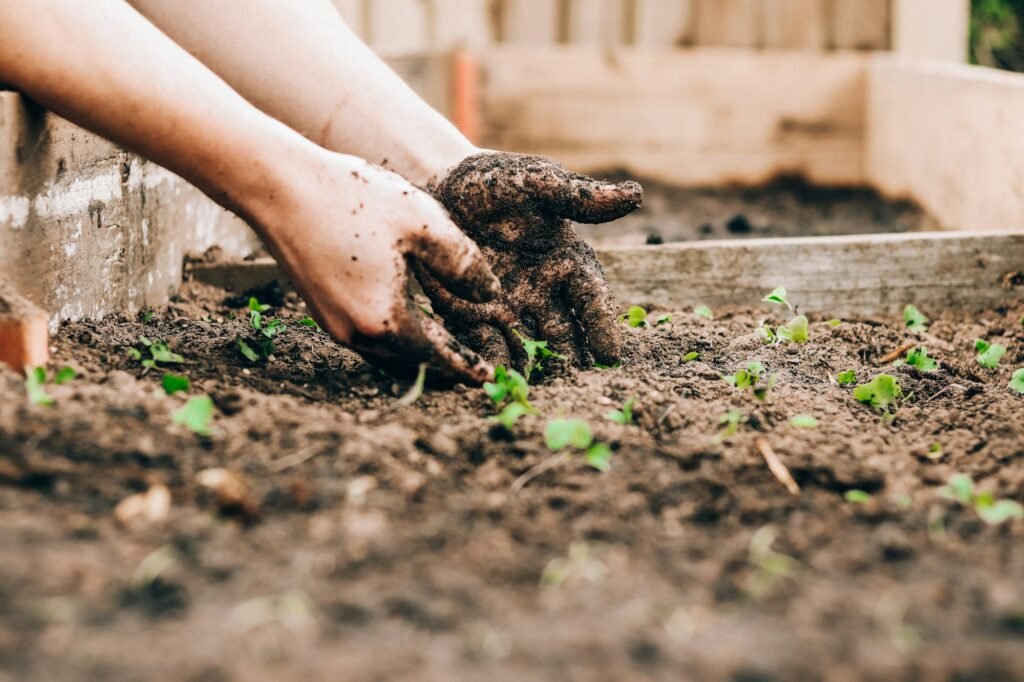
The hobbits of the Shire didn’t need a supermarket. They ate what grew in their own gardens, orchards, and fields: potatoes and mushrooms, apples and barley, honey and fresh bread. Samwise Gamgee was a gardener first, and he knew that good food starts with good soil.
When Sam finally came home, he carried a small gift of earth from the Elves’ garden. He shared it across the Shire, planted trees where others had been lost, and the next year brought one of the most abundant harvests anyone could remember. Care for the land, and the land cares for you: that’s the heart of eating well.
The hobbit way of eating well
Grow a little
Even a few pots of herbs or a tomato plant bring fresh food to your table.
Cook from scratch
Simple meals from whole ingredients, the way hobbit kitchens always did.
Eat with the seasons
Spring greens, summer berries, autumn apples, and winter stews.
Share the table
Food is better with friends, and so is life.
What organic actually means
Standing in the grocery aisle, it’s fair to wonder whether that little seal means anything. In the United States, the USDA Organic label is a real, inspected standard:
Grown without most synthetic sprays
Crops are grown without most synthetic pesticides and fertilizers, on land kept free of them for three years before harvest.
No genetic engineering
Organic standards don't allow genetically engineered seeds or ingredients.
Inspected every year
Organic farms and processors are certified and inspected by accredited agents.
Read the label
"100% Organic" means all organic. "Organic" means at least 95%. "Made with organic" means at least 70% organic ingredients.
Organic farms can still use some approved, mostly natural pest controls, so organic doesn’t mean “no pesticides at all.” It means a different, more limited set of tools.
Why many families choose organic
Choosing organic isn’t about being perfect. Here are the reasons many families give, stated honestly:
Fewer synthetic residues
Organic produce generally carries fewer synthetic pesticide residues.
Healthier soil
Compost, cover crops, and crop rotation build living soil, the way Sam would have liked.
Kinder to bees and water
Fewer synthetic sprays can mean a friendlier home for pollinators, our bees included.
Supporting small farms
Buying organic and local often supports family farms and growers near you.
An honest note: research on whether organic food has more nutrients is mixed. The biggest step toward eating well is simply eating more fruits, vegetables, beans, and whole grains, organic or not. Every bit of fresh, real food counts.
Stock a dwarf's pantry
Dwarves stored their treasures deep in the mountain, and a well-stocked pantry is a kind of treasure too. Start your organic pantry with the foundations you eat every day, and buy them in bulk to keep costs down.
Grains first
Oats, rice, and flour are eaten often, so they're a smart place to begin.
Beans and lentils
Buy them dry in bulk. They're inexpensive and keep for a long time.
Store it well
Keep bulk goods in airtight jars or buckets, in a cool, dark place.
Nuts and seeds
Buy in bulk and keep them in the freezer so they stay fresh.
Making it practical
Start small
Switch one thing at a time, like your oats or your rice. Small steps add up.
Choose where it counts
Spend your organic budget on foods you eat skin-on, like berries, apples, and leafy greens.
Frozen is fine
Frozen organic berries and vegetables are budget-friendly, especially out of season.
Wash all produce
Rinse everything under running water, organic or not.
Meet your farmers
Many small farms grow without synthetic sprays but aren't certified. Ask them how they grow.
Grow your own
The freshest, most local food is the food you grow yourself.
Eat with the seasons, like the Elves
The Elves lived in step with the turning year. Seasonal food is often fresher, more flavorful, and less expensive, and it connects us to the land around us.
Spring
Tender greens, peas, radishes, asparagus, and fresh herbs.
Summer
Berries, tomatoes, cucumbers, zucchini, and basil.
Autumn
Apples, pears, squash, roots, and hearty greens.
Winter
Stored potatoes, onions, beans, grains, and warming soups.
From the Healthy Eating blog
Gentle, practical habits for eating well, one meal at a time.
New posts are on the way.
Cook it, share it
Put it all together in the kitchen. Explore twenty-four recipes from the three kitchens of Middle-earth, or grab our free Garden to Table recipe guide.