Herbal Basics: Five Things to Know Before You Begin
Taste, warming and cooling herbs, tonics, and safety: five things to know before you start using herbs, plus a first exercise: a taste test.
Begin your own little kitchen apothecary. A handful of gentle herbs, a few simple tools, and the patience to learn one plant at a time. Everything you need to start, right here.
In Tolkien’s Middle-earth, no one knew the healing herbs like the Elves. When Frodo was struck by a cruel blade on the road, his friends hurried him to Rivendell, where Elrond, the wisest healer of his age, sat beside him and drew out the hidden splinter that no one else could find.
Travelers left the Elves with gifts that strengthened body and spirit: a warming cordial from Rivendell for weary hours, and the elven waybread that could carry a traveler through a long day’s march. In the golden wood of Lothlórien, the Lady Galadriel gave Sam a small box of earth from her own garden, and back home it brought the wounded Shire to life again.
Their secret was simple and slow. The Elves lived with the land for ages, watching each season and learning every plant by heart. We can begin the same way: one herb, one season, one cup at a time.
Get to know one herb at a time, through every season, until it feels like an old friend.
Grow and gather close to home, and notice what thrives where you live.
Small batches, clean hands, and a calm mind make the best remedies.
Healing is a gift meant to be shared, with family, friends, and strangers alike.
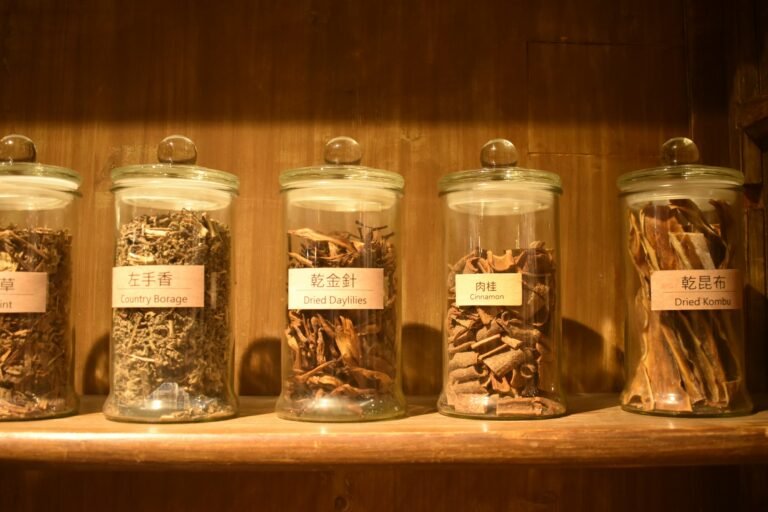
You don’t need a hundred jars to begin. Start with a few friendly, well-loved herbs, many of which you may already have in the kitchen. Buy small amounts from a trusted source, choose organic when you can, and favor herbs that are grown with care, since a few popular wild herbs are becoming scarce.
A gentle bedtime tea and a friend to the stomach.
Cool and bright, after meals or iced in summer.
Warming and spicy, simmered fresh on cold days.
Soft, lemony, and calming, hot or iced.
Sunny petals for tea blends and homemade salves.
A classic for winter syrups, always cooked first.
Tart, ruby-red, and lovely in iced tea.
Tangy, fruity, and full of the garden's goodness.
A nourishing, mineral-rich everyday tea.
A fragrant, uplifting cup to start the day.
A pinch for calming blends, sachets, and baths.
Sweet and warming in teas, syrups, and baking.
Here’s a gentle way to learn that herbalists have long used: choose one herb each month and spend the whole month with it. By the end of the year, you’ll know twelve plants like old friends.
Notice its color, leaves, scent, and texture, fresh and dried.
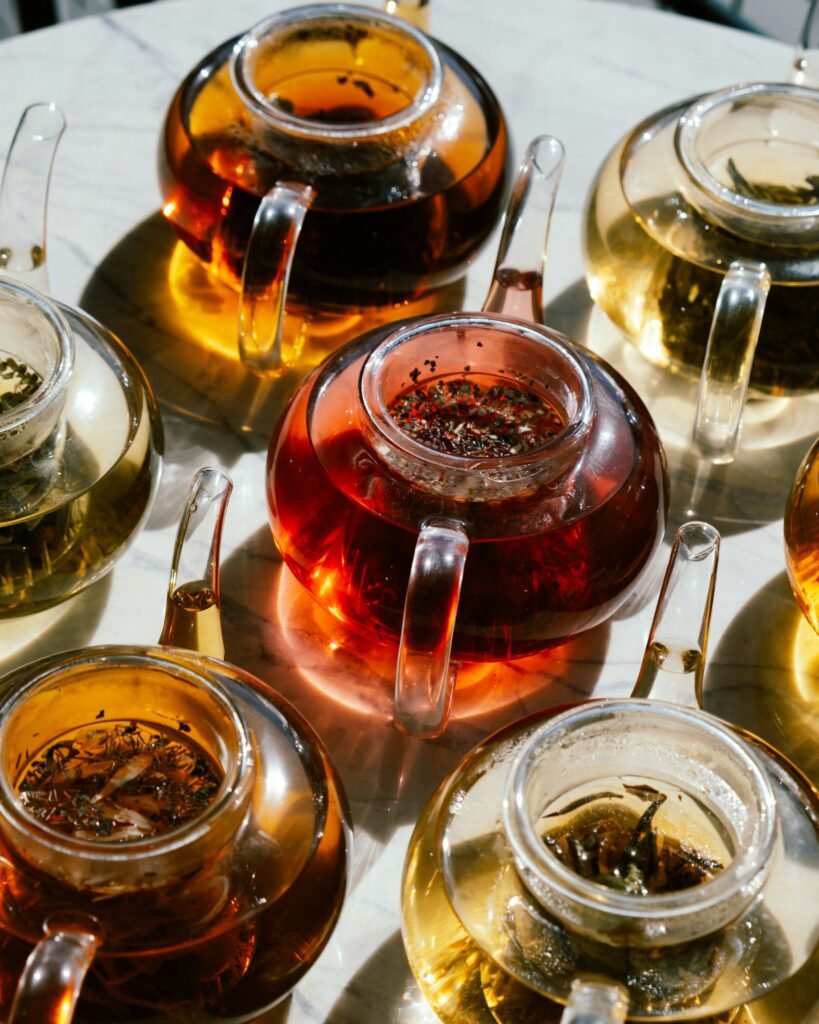
Brew it as a simple tea. Is it bitter, sweet, warming, or cooling?
Learn its history, how it's used, and how to use it safely.
Keep a little herb journal: what you notice, and how it suits you.
Most of what you need is already in your kitchen, or waiting at a thrift store.
For gentle heat when making oils and salves.
Heat-proof glass and metal spoons are easy to clean.
For straining teas, oils, and syrups.
Store dried herbs away from heat and light, labeled with name and date.
For bottling syrups and oils without a mess.
Set aside tools just for herb-making, apart from your everyday cooking tools.
Tastes, warming and cooling herbs, tonics, and using herbs wisely.
November 4, 2026
Taste, warming and cooling herbs, tonics, and safety: five things to know before you start using herbs, plus a first exercise: a taste test.
Start with herbs you already know, try one new herb at a time, and notice how it suits you.
A note on safety: everything here is for learning and everyday wellness, not medical advice. Talk with your doctor or pharmacist before using herbs, especially if you’re pregnant or nursing, take medication, or are managing a health condition.
Seasonal notes on herbs, plant workshops and gardens, new lessons, and first look at new art.
Bees, Herbs & Gardens brings together plants, healthy cooking, art, and quiet meditation prayer. A place to help you gain peace.
© 2026 Bees, Herbs & Gardens. All rights reserved.