Herb Profiles

Meet the herbs, one at a time. Common, friendly plants for your teacup and your kitchen: how they taste, how to brew and cook with them, how to grow them, and how to use them wisely.

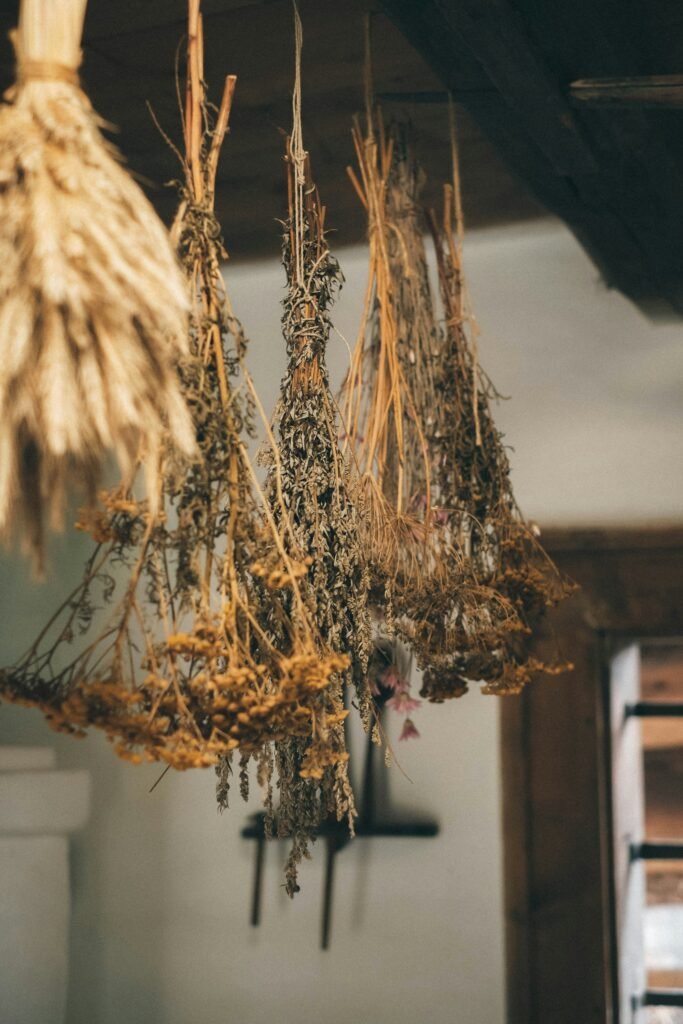
Bunches of dried herbs hanging to dry
A tale from the Shire

An herb garden in the Shire

If you could peek through the round green door of a hobbit hole, you’d likely find bunches of herbs drying from the kitchen beams and a pot of something good on the fire. Hobbits loved their gardens, their tables, and their neighbors. Samwise the gardener carried that love all the way to the edge of Mordor, stewing a pair of rabbits with the wild herbs he gathered along the road, and wishing he had a few potatoes to go with them.

Tolkien even gave a humble weed a hidden gift: kingsfoil, which most folk passed by without a second look, until the right hands showed what it could do. It’s a gentle reminder that the plainest plants often hold the sweetest surprises.

The hobbit way with herbs

Grow by the kitchen door

Keep a few pots of thyme, mint, and chamomile close, so a pinch is always a step away.

Always a pot for visitors

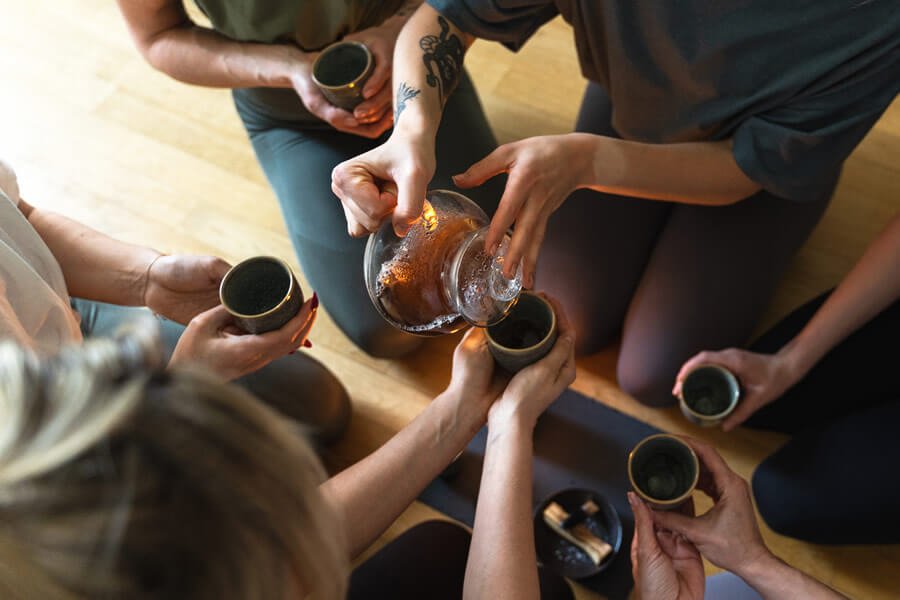
Put the kettle on when a friend stops by. Hospitality is the oldest herbal remedy.

Share the harvest

Hobbits gave gifts on their own birthdays. Pass along cuttings, dried herbs, and tea blends.

Notice the humble plants

Look twice at the plain green things by the path. Some of the best herbs are the humblest.

Twenty herbs to know

Start with the herbs you already love to cook with, then bring them into your teacup. Tap a button to see herbs for tea or for cooking, and unroll any herb’s scroll to learn more.

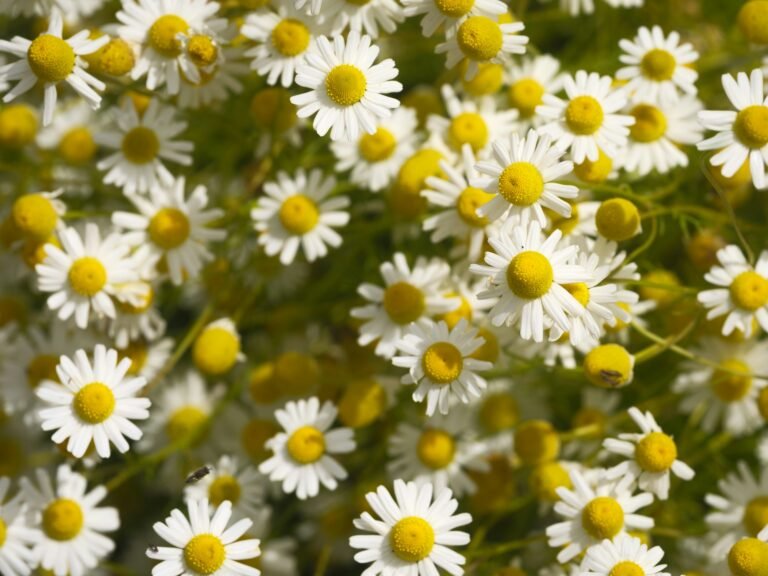
Chamomile
Photo: Unsplash

Chamomile

Matricaria chamomilla

  • TasteApple and honey, lightly bitter
  • In a cupA classic bedtime tea. Steep the flowers, covered, for 5 to 10 minutes.
  • KitchenInfuse into honey, cream, or simple syrup for gentle, floral desserts.
  • Grow itAn easy annual. Scatter the tiny seeds on top of the soil; they need light to sprout.

Go gently: Skip it if you're allergic to ragweed or daisies.

Read the full profile →

Peppermint
Photo: Rillke, CC BY-SA 3.0, via Wikimedia Commons

Peppermint

Mentha × piperita

  • TasteCool, bright, and refreshing
  • In a cupA favorite after-dinner tea, hot or iced.
  • KitchenFresh leaves brighten peas, salads, yogurt sauces, fruit, and chocolate.
  • Grow itGrows eagerly and spreads, so give it its own pot.

Go gently: It can make heartburn worse for some people.

Lemon Balm
Photo: Forest and Kim Starr, CC BY 3.0 us, via Wikimedia Commons

Lemon Balm

Melissa officinalis

  • TasteSoft and lemony
  • In a cupA gentle, calming tea that's lovely iced on a summer afternoon.
  • KitchenChop into fruit salads, dressings, and fish, or steep in lemonade.
  • Grow itA mint-family cousin that spreads; it's happy in part shade.

Go gently: Check with your doctor if you take thyroid medicine.

Lavender
Photo: Andrey Butko, CC BY-SA 3.0, via Wikimedia Commons

Lavender

Lavandula angustifolia

  • TasteFloral and perfumed
  • In a cupAdd just a pinch to calming blends with chamomile or lemon balm.
  • KitchenShortbread, lemonade, and honey. Use English lavender, and use it sparingly.
  • Grow itLoves full sun, dry soil, and being left alone.

Go gently: A little goes a long way; too much tastes soapy.

Rosemary
Photo: THOR, CC BY 2.0, via Wikimedia Commons

Rosemary

Salvia rosmarinus

  • TastePiney and warming
  • In a cupA sprig with lemon and honey makes a bright, warming cup.
  • KitchenRoasted potatoes and vegetables, bread, beans, and chicken.
  • Grow itA sun-loving, drought-tolerant shrub. Water only when dry.

Go gently: Enjoy it in cooking amounts if you're pregnant.

Thyme
Photo: Naturpuur, CC BY 4.0, via Wikimedia Commons

Thyme

Thymus vulgaris

  • TasteEarthy and gently spicy
  • In a cupA cozy winter tea with a spoonful of honey.
  • KitchenSoups, stews, beans, roasted roots, and nearly every savory dish.
  • Grow itFull sun and well-drained soil; it thrives on a little neglect.

Go gently: Safe in food amounts; save stronger preparations for guidance.

Garden Sage
Photo: Ping an Chang, CC BY-SA 4.0, via Wikimedia Commons

Garden Sage

Salvia officinalis

  • TasteSavory and earthy
  • In a cupTraditionally sipped warm, or used as a gargle, for a scratchy throat.
  • KitchenBrown butter, stuffing, beans, squash, and roasted meats.
  • Grow itA sturdy, silver-leaved perennial for a sunny spot.

Go gently: Avoid large medicinal amounts if you're pregnant or nursing.

Sweet Basil
Photo: PumpkinSky, CC BY-SA 4.0, via Wikimedia Commons

Sweet Basil

Ocimum basilicum

  • TasteSweet, peppery, and fragrant
  • In a cupFor tea, try its cousin holy basil (tulsi), a beloved everyday brew.
  • KitchenPesto, tomatoes, salads, and summer pasta. Add it at the end of cooking.
  • Grow itA warm-season annual. Pinch the tops to keep it bushy.

Go gently: Generally safe in food amounts.

Ginger
Photo: Khlshnuramalina, CC BY-SA 4.0, via Wikimedia Commons

Ginger

Zingiber officinale

  • TasteSpicy, warming, and zesty
  • In a cupSimmer fresh slices for 15 to 20 minutes for a warming tea.
  • KitchenStir-fries, soups, curries, marinades, and gingerbread.
  • Grow itPlant a plump piece of fresh root in a pot somewhere warm.

Go gently: Check with your doctor if you take blood thinners.

Calendula
Photo: Ermell, CC BY-SA 4.0, via Wikimedia Commons

Calendula

Calendula officinalis

  • TasteMild and slightly bitter
  • In a cupBright petals add cheerful color to herbal tea blends.
  • KitchenScatter petals on salads, or use them to color rice golden.
  • Grow itAn easy, cheerful annual that often reseeds itself.

Go gently: Avoid during pregnancy, and skip it with daisy-family allergies.

Lemongrass
Public domain, via Wikimedia Commons

Lemongrass

Cymbopogon citratus

  • TasteBright, citrusy, and clean
  • In a cupA refreshing tea alone, or blended with ginger or mint.
  • KitchenThai curries, soups, and marinades. Bruise the stalk to release its flavor.
  • Grow itLoves heat and sun. Bring it indoors before frost.

Go gently: Safe in food amounts.

Hibiscus
Public domain, via Wikimedia Commons

Hibiscus

Hibiscus sabdariffa

  • TasteTart, like cranberry
  • In a cupSteep the deep red calyces for a jewel-colored iced tea.
  • KitchenSyrups, jams, and festive drinks.
  • Grow itA warm-season plant that loves long, hot summers.

Go gently: Check with your doctor if you take blood pressure medicine, and avoid it during pregnancy.

Elderberry
Photo: Rosser1954, CC BY-SA 4.0, via Wikimedia Commons

Elderberry

Sambucus nigra

  • TasteDeep, dark, and fruity
  • In a cupSimmer dried berries for a rich, ruby tea, or make them into a winter syrup.
  • KitchenSyrups, jams, cordials, and pies. Always cook the berries first.
  • Grow itA large, fast-growing shrub with lacy white flowers in early summer.

Go gently: Never eat the berries raw, and never use the leaves or stems; cooking makes the berries safe.

Rose Hips
Photo: T. Kebert, CC BY-SA 4.0, via Wikimedia Commons

Rose Hips

Rosa canina

  • TasteTangy, tart, and fruity
  • In a cupSteep or gently simmer the dried hips for a bright, tangy tea.
  • KitchenSyrups, jellies, jams, and even soup.
  • Grow itLeave the last roses of summer on the bush, and the hips will ripen in fall.

Go gently: Strain well; the tiny hairs inside the hips can be scratchy.

Nettle
Photo: Dominicus Johannes Bergsma, CC BY-SA 4.0, via Wikimedia Commons

Nettle

Urtica dioica

  • TasteGreen, rich, and earthy
  • In a cupA deep, nourishing everyday tea, lovely as a long overnight infusion.
  • KitchenCook young spring leaves like spinach in soups, pesto, and broths.
  • Grow itGrows wild in rich, damp soil. Harvest in spring, before it flowers.

Go gently: Wear gloves to harvest fresh nettle; drying or cooking takes away the sting.

Holy Basil (Tulsi)
Photo: Joydeep, CC BY-SA 3.0, via Wikimedia Commons

Holy Basil (Tulsi)

Ocimum tenuiflorum

  • TasteClove-like, peppery, and sweet
  • In a cupA fragrant, uplifting everyday tea, alone or blended.
  • KitchenA few leaves add warmth to stir-fries and curries.
  • Grow itA warm-season plant that loves sun. Pinch the flowers to keep it leafy.

Go gently: Not for use during pregnancy unless your healthcare provider approves.

Cinnamon
Photo: Luc Viatour, CC BY-SA 3.0, via Wikimedia Commons

Cinnamon

Cinnamomum species

  • TasteSweet, warm, and woody
  • In a cupSimmer a stick in tea, cider, or warm milk on a cold evening.
  • KitchenBaking, oatmeal, curries, stews, and spiced drinks.
  • Grow itComes from the bark of tropical trees, so it's one to buy rather than grow.

Go gently: Enjoy it in food amounts; avoid large amounts during pregnancy.

Dandelion
Photo: Harry Rose, CC BY 2.0, via Wikimedia Commons

Dandelion

Taraxacum officinale

  • TastePleasantly bitter
  • In a cupRoasted root makes a rich, coffee-like brew; the leaf makes a lighter tea.
  • KitchenToss young spring leaves into salads, or sauté older greens with garlic.
  • Grow itThe cheerful weed that grows almost anywhere. Pick away from roads and sprays.

Go gently: Skip it if you're allergic to daisies, and check with your doctor if you take water pills.

Marshmallow Root
Photo: Krzysztof Golik, CC BY-SA 4.0, via Wikimedia Commons

Marshmallow Root

Althaea officinalis

  • TasteMild, sweet, and soothing
  • In a cupSteep the root in cool water for a few hours for a soft, silky tea.
  • KitchenYoung leaves and flowers can go into salads or be lightly steamed.
  • Grow itA tall, pink-flowered plant that loves damp ground.

Go gently: Drink it with plenty of water, and take medicines an hour before or a few hours after.

Plantain Leaf
Photo: Ayotte, Gilles, 1948-, CC BY-SA 4.0, via Wikimedia Commons

Plantain Leaf

Plantago major

  • TasteMild and green
  • In a cupA gentle leaf for herbal tea blends.
  • KitchenYoung, tender leaves can go into salads, soups, and stir-fries.
  • Grow itA common backyard weed (not the banana!). Look for broad, ribbed leaves.

Go gently: Harvest only from clean ground, away from roads and sprays.

From the herbal scrolls

Chamomile

Matricaria chamomilla

A little history
Chamomile has been loved for thousands of years, from the gardens of ancient Egypt to the cozy kitchens of Mexico, where it's known as manzanilla.
Where it grows
Grown in Europe, India, and gardens worldwide.
Part used
The small, daisy-like flowers.
How to brew
Use 1 to 2 teaspoons of dried flowers per cup of just-boiled water. Cover and steep 5 to 10 minutes.
More ways to enjoy it
Infuse in warm milk with honey, or chill as an iced tea with lemon.
Pairs well with
Lavender, lemon balm, peppermint, and honey.
Keeping it fresh
Keep dried flowers in a sealed jar, away from light and heat, and use within a year.
Go gently
Skip it if you're allergic to ragweed or daisies.

For learning and everyday wellness, not medical advice.

From the herbal scrolls

Peppermint

Mentha × piperita

A little history
An old Greek tale says a nymph named Menthe was turned into this fragrant plant.
Where it grows
Grown in gardens across North America and Europe.
Part used
The leaves.
How to brew
Use 1 tablespoon of dried leaf per cup. Cover and steep 5 to 10 minutes.
More ways to enjoy it
Muddle into lemonade, chop into tabbouleh, or freeze leaves in ice cubes.
Pairs well with
Ginger, lemon balm, chamomile, and green tea.
Keeping it fresh
Store dried leaves in an airtight jar; the scent tells you it's still fresh.
Go gently
It can make heartburn worse for some people.

For learning and everyday wellness, not medical advice.

From the herbal scrolls

Lemon Balm

Melissa officinalis

A little history
Carmelite nuns once made a famous lemon balm water, and gardeners have long kept it near beehives.
Where it grows
Grown in North America and across Europe.
Part used
The leaves.
How to brew
Use 1 to 2 tablespoons of fresh leaves, or 1 tablespoon dried, per cup. Steep, covered, 5 to 10 minutes.
More ways to enjoy it
Add to jams, fruit salads, fish, and chicken dishes.
Pairs well with
Chamomile, lavender, mint, and honey.
Keeping it fresh
Its flavor fades quickly once dried, so use within six months.
Go gently
Check with your doctor if you take thyroid medicine.

For learning and everyday wellness, not medical advice.

From the herbal scrolls

Lavender

Lavandula angustifolia

A little history
The Romans scented their baths with it, and lavender has filled linen closets and gardens for centuries.
Where it grows
Grown in France and across the Mediterranean.
Part used
The flower buds.
How to brew
Use just 1/4 to 1/2 teaspoon of dried buds per cup, blended with other herbs.
More ways to enjoy it
Layer buds in sugar for cookies, or add a pinch to herbes de Provence.
Pairs well with
Chamomile, lemon balm, rose, and lemon.
Keeping it fresh
Dried buds keep their scent for a year or more in a sealed jar.
Go gently
A little goes a long way; too much tastes soapy.

For learning and everyday wellness, not medical advice.

From the herbal scrolls

Rosemary

Salvia rosmarinus

A little history
Rosemary has long been a symbol of remembrance, tucked into wedding bouquets and garden paths.
Where it grows
Native to the Mediterranean coast.
Part used
The needle-like leaves.
How to brew
Steep a fresh sprig, or 1 teaspoon dried, per cup for 5 to 10 minutes.
More ways to enjoy it
Infuse in olive oil, bake into focaccia, or toss with roasted root vegetables.
Pairs well with
Lemon, thyme, garlic, and honey.
Keeping it fresh
Fresh sprigs keep a week in the fridge; dried keeps a year.
Go gently
Enjoy it in cooking amounts if you're pregnant.

For learning and everyday wellness, not medical advice.

From the herbal scrolls

Thyme

Thymus vulgaris

A little history
Thyme was once a sign of courage; it was said that medieval ladies embroidered sprigs on knights' scarves.
Where it grows
Native to southern Europe.
Part used
The small leaves and flowering tops.
How to brew
Steep 1 teaspoon dried, or a few fresh sprigs, per cup for 5 to 10 minutes. Add honey.
More ways to enjoy it
Soups, stews, beans, and roasted vegetables all welcome a sprig.
Pairs well with
Rosemary, sage, lemon, and honey.
Keeping it fresh
Dried thyme keeps its flavor well for about a year.
Go gently
Safe in food amounts; save stronger preparations for guidance.

For learning and everyday wellness, not medical advice.

From the herbal scrolls

Garden Sage

Salvia officinalis

A little history
Its Latin name comes from a word meaning to be well, and it was a fixture of monastery gardens.
Where it grows
Native to the Mediterranean.
Part used
The soft, silvery leaves.
How to brew
Steep 1 teaspoon dried leaf per cup for 5 to 10 minutes.
More ways to enjoy it
Fry whole leaves in butter until crisp, and scatter over pasta or squash.
Pairs well with
Thyme, rosemary, lemon, and honey.
Keeping it fresh
Dry leaves on a screen out of the sun, then store in a sealed jar.
Go gently
Avoid large medicinal amounts if you're pregnant or nursing.

For learning and everyday wellness, not medical advice.

From the herbal scrolls

Sweet Basil

Ocimum basilicum

A little history
Basil is beloved in kitchens from Italy to Thailand, with dozens of varieties to try.
Where it grows
Native to tropical Asia and Africa.
Part used
The fresh leaves.
How to brew
For tea, reach for holy basil (tulsi) instead.
More ways to enjoy it
Pesto, caprese salad, tomato sauce, and fresh summer rolls.
Pairs well with
Tomato, garlic, olive oil, and lemon.
Keeping it fresh
Keep stems in a glass of water on the counter, or freeze pesto in ice cube trays.
Go gently
Generally safe in food amounts.

For learning and everyday wellness, not medical advice.

From the herbal scrolls

Ginger

Zingiber officinale

A little history
Some of the oldest written records of ginger come from ancient China and India, where it seasoned food for millennia.
Where it grows
Grown in warm regions such as India and Peru.
Part used
The root (rhizome).
How to brew
Simmer 4 to 6 thin slices of fresh root, or 1 teaspoon dried, in water for 15 to 20 minutes.
More ways to enjoy it
Stir-fries, curries, marinades, cookies, and homemade ginger ale.
Pairs well with
Lemon, honey, cinnamon, and turmeric.
Keeping it fresh
Keep fresh root in the fridge, or freeze it and grate it frozen.
Go gently
Check with your doctor if you take blood thinners.

For learning and everyday wellness, not medical advice.

From the herbal scrolls

Calendula

Calendula officinalis

A little history
Medieval cooks called it the poor man's saffron, and used its petals to color butter and cheese golden.
Where it grows
Grown in gardens worldwide.
Part used
The bright orange and yellow flowers.
How to brew
Steep 1 to 2 teaspoons of dried petals per cup for 10 minutes.
More ways to enjoy it
Infuse the flowers in oil to make a gentle homemade salve.
Pairs well with
Chamomile, mint, and lemon balm.
Keeping it fresh
Dry the flower heads completely before storing, or they may mold.
Go gently
Avoid during pregnancy, and skip it with daisy-family allergies.

For learning and everyday wellness, not medical advice.

From the herbal scrolls

Lemongrass

Cymbopogon citratus

A little history
Lemongrass is a cornerstone of Thai, Vietnamese, and Indian cooking.
Where it grows
Native to tropical Asia.
Part used
The stalks and leaves.
How to brew
Steep 1 tablespoon of chopped dried leaf per cup for 5 to 10 minutes.
More ways to enjoy it
Bruise a stalk and simmer it in soups, curries, and coconut rice.
Pairs well with
Ginger, mint, and green tea.
Keeping it fresh
Freeze fresh stalks, or keep dried leaf in a sealed jar.
Go gently
Safe in food amounts.

For learning and everyday wellness, not medical advice.

From the herbal scrolls

Hibiscus

Hibiscus sabdariffa

A little history
In Mexico, a chilled, sweetened hibiscus drink called agua de Jamaica is a summer favorite.
Where it grows
Grown in warm regions such as India, Thailand, and West Africa.
Part used
The deep red calyces around the flower.
How to brew
Steep 1 to 2 teaspoons per cup for 5 minutes. Longer steeps grow more tart.
More ways to enjoy it
Make a ruby syrup for lemonade, or simmer into jam.
Pairs well with
Rose hips, cinnamon, ginger, and orange peel.
Keeping it fresh
Keep dried calyces sealed and away from moisture.
Go gently
Check with your doctor if you take blood pressure medicine, and avoid it during pregnancy. Some dried hibiscus is grown alongside peanuts; if you have a severe peanut allergy, ask your supplier.

For learning and everyday wellness, not medical advice.

From the herbal scrolls

Elderberry

Sambucus nigra

A little history
Across Europe, families have made elderberry syrups, wines, and cordials for generations.
Where it grows
Grown in Europe and North America.
Part used
The ripe, dark berries (and the flowers).
How to brew
Simmer 1 tablespoon of dried berries per cup of water for 15 to 20 minutes, then strain.
More ways to enjoy it
Cook into syrup with honey and cinnamon, or bake into pies and crumbles.
Pairs well with
Cinnamon, ginger, cloves, and honey.
Keeping it fresh
Keep dried berries sealed; store homemade syrup in the fridge.
Go gently
Never eat the berries raw, and never use the leaves or stems; cooking makes the berries safe.

For learning and everyday wellness, not medical advice.

From the herbal scrolls

Rose Hips

Rosa canina

A little history
During World War II, British families gathered wild rose hips to make syrup for children.
Where it grows
Gathered and grown in Europe, Africa, and South America.
Part used
The ripe fruit of the rose.
How to brew
Simmer 1 tablespoon of dried hips per cup for 10 minutes, then strain well.
More ways to enjoy it
Rose hip jelly, syrup, and a traditional Swedish rose hip soup.
Pairs well with
Hibiscus, cinnamon, and orange peel.
Keeping it fresh
Dried hips keep well in an airtight jar for a year.
Go gently
Strain well; the tiny hairs inside the hips can be scratchy.

For learning and everyday wellness, not medical advice.

From the herbal scrolls

Nettle

Urtica dioica

A little history
People have eaten nettle as a spring green for centuries, and even wove its fibers into cloth.
Where it grows
Grows wild across Europe and North America.
Part used
The leaves.
How to brew
For a strong infusion, steep 1 ounce of dried leaf in a quart of just-boiled water for 4 to 8 hours.
More ways to enjoy it
Blanch young leaves for soup, pesto, or a nettle frittata.
Pairs well with
Peppermint, lemon balm, and oatstraw.
Keeping it fresh
Dried leaf keeps its deep green color in a dark, sealed jar.
Go gently
Wear gloves to harvest fresh nettle; drying or cooking takes away the sting.

For learning and everyday wellness, not medical advice.

From the herbal scrolls

Holy Basil (Tulsi)

Ocimum tenuiflorum

A little history
In India, holy basil is honored as sacred and is grown in courtyards outside many homes.
Where it grows
Grown in India and other warm regions.
Part used
The leaves.
How to brew
Steep 1 to 2 teaspoons of dried leaf per cup for 5 to 10 minutes.
More ways to enjoy it
Stir into warm milk with honey, or add to fruity iced tea blends.
Pairs well with
Ginger, rose, lemon, and green tea.
Keeping it fresh
Keep dried leaf in an airtight jar, away from light.
Go gently
Not for use during pregnancy unless your healthcare provider approves.

For learning and everyday wellness, not medical advice.

From the herbal scrolls

Cinnamon

Cinnamomum species

A little history
Cinnamon was once among the most prized spices on earth, carried by traders across the ancient world.
Where it grows
Grown in Sri Lanka, Indonesia, and Vietnam.
Part used
The inner bark.
How to brew
Simmer one stick per two cups of water for 10 to 15 minutes.
More ways to enjoy it
Mulled cider, oatmeal, rice pudding, chili, and Moroccan stews.
Pairs well with
Ginger, orange peel, clove, and black tea.
Keeping it fresh
Whole sticks keep their flavor longer than ground cinnamon.
Go gently
Enjoy it in food amounts; avoid large amounts during pregnancy. Most store cinnamon is cassia; Ceylon cinnamon is milder and sweeter.

For learning and everyday wellness, not medical advice.

From the herbal scrolls

Dandelion

Taraxacum officinale

A little history
Dandelion has long been eaten as a spring green and roasted as a coffee substitute.
Where it grows
Grows wild nearly everywhere.
Part used
The leaves, flowers, and roots.
How to brew
Simmer 1 tablespoon of roasted root per cup for 10 to 15 minutes, or steep the leaf for 10 minutes.
More ways to enjoy it
Dandelion flower fritters, greens with garlic, and petals in salads.
Pairs well with
Burdock, cinnamon, chicory, and peppermint.
Keeping it fresh
Dry roots and leaves fully before storing in sealed jars.
Go gently
Skip it if you're allergic to daisies, and check with your doctor if you take water pills.

For learning and everyday wellness, not medical advice.

From the herbal scrolls

Marshmallow Root

Althaea officinalis

A little history
Ancient Egyptians, Greeks, and Romans all used marshmallow, and its root went into the very first marshmallow sweets.
Where it grows
Grown in Europe and North America.
Part used
The root (and the leaves and flowers).
How to brew
Soak 1 tablespoon of root in a cup of cool water for 4 hours or overnight, then strain.
More ways to enjoy it
Add the cool infusion to smoothies, or steam young leaves.
Pairs well with
Chamomile, licorice, and cinnamon.
Keeping it fresh
Keep the dried root sealed and dry.
Go gently
Drink it with plenty of water, and take medicines an hour before or a few hours after.

For learning and everyday wellness, not medical advice.

From the herbal scrolls

Plantain Leaf

Plantago major

A little history
Old folklore tells of chewing a plantain leaf and laying it on the skin to help draw out a splinter.
Where it grows
Grows wild in lawns and paths worldwide.
Part used
The leaves.
How to brew
Steep 1 to 2 teaspoons of dried leaf per cup for 10 minutes.
More ways to enjoy it
Young leaves can be sautéed like spinach or added to soup.
Pairs well with
Nettle, calendula, and peppermint.
Keeping it fresh
Dry leaves flat and store them in a sealed jar.
Go gently
Harvest only from clean ground, away from roads and sprays.

For learning and everyday wellness, not medical advice.

From the Herb Profiles blog

In-depth profiles, one herb at a time: history, taste, preparation, growing, and safety.

Use herbs wisely

Enjoy herbs the way families always have: in food, in a cup of tea, and in small, gentle amounts. Try one new herb at a time and notice how it suits you.

A note on safety: everything here is for learning and everyday wellness, not medical advice. Talk with your doctor or pharmacist before using herbs, especially if you’re pregnant or nursing, take medication, or are managing a health condition.

Sip the garden

Many of these herbs are finding their way into our own blends: Bees, Herbs & Gardens Tea Co. is coming soon.

Before you begin

A gentle word of caution

Everything in our Herbal Medicine pages is shared as general knowledge for learning only. It is not medical advice and is not meant to diagnose, treat, or cure any condition.

Herbs can cause allergic reactions and can interact with medicines and health conditions. Please do your own research, use caution, and talk with your doctor or pharmacist before making or using any remedy, especially if you are pregnant or nursing, caring for children, taking medication, or managing a health condition.

By continuing, you agree that you are responsible for your own choices, and that Bees, Herbs & Gardens and its owner are not responsible or liable for any harm, loss, or reaction that may result.

Take me back